Coldharbour Lane man and van guide for tight access moves
Posted on 17/07/2026
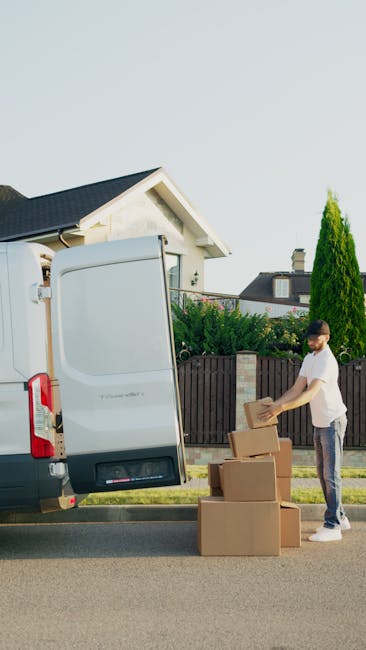
If you are moving on or near Coldharbour Lane, the tricky part is rarely the box count. It is the access. Narrow hallways, busy road space, tight parking, awkward stairwells, basement flats, shared entrances, and the classic "just one more flight up" moment can make a simple move feel like a small logistics puzzle. This Coldharbour Lane man and van guide for tight access moves is built for exactly that sort of day. It explains what to expect, how to plan, where things usually go wrong, and how a good moving crew can save you time, stress, and a few sore shoulders.
Whether you are shifting a one-bed flat, moving a student room, or handling a small business relocation, the right setup matters. And yes, on streets like this, the right setup can be the difference between a smooth job and a very long afternoon.
Why Coldharbour Lane man and van guide for tight access moves Matters
Tight access moves are a different kind of removal job. You are not just moving items from A to B; you are solving a route problem. Coldharbour Lane can involve limited stopping room, busy traffic patterns, side entrances, narrow staircases, internal turns that seem to get smaller when a sofa appears, and residents who understandably do not want corridors blocked for long. If you ignore those details, you can easily lose half an hour just figuring out where the van can safely stand.
That is why planning matters so much. A man and van service is often ideal here because it is flexible, compact, and better suited to urban access than a large removal lorry. In practical terms, it means the vehicle can usually position more easily, the team can load and unload in shorter bursts, and the whole operation can be adapted to the actual street conditions instead of an idealised plan on paper.
There is also a human reason this matters. Moves are already stressful. Add a staircase with a bend halfway up, or a shared front door that only stays open if someone holds it, and the day can become needlessly chaotic. With tight access, the details are the job.
If you are comparing options, it helps to review the broader moving services available in Brixton and see how a compact crew can be matched to the property type. For flats especially, a focused flat removals service can be a better fit than a one-size-fits-all approach.
How Coldharbour Lane man and van guide for tight access moves Works
The process is simple on the surface, but the good results come from proper preparation. A decent man and van job for a tight-access property usually starts with a conversation about the location, the volume of items, the walking distance from the van to the door, and any obstacles that might slow things down. That may sound obvious, but in real life people often forget the smallest point: where the vehicle can actually stop.
On moving day, the crew usually arrives with a van sized for urban work rather than oversized loading. From there, the job is broken down into small, manageable loads. That matters because the less time spent manoeuvring awkward items through narrow spaces, the safer and calmer everything becomes. A well-run team will also bring sensible kit such as blankets, straps, trolleys, and protective covers where needed. Not glamorous, but very useful.
Here is the basic rhythm:
- Check access before the day, including stairs, door width, parking, and any restrictions.
- Decide whether the move needs two people, extra carrying time, or a slightly larger vehicle.
- Pack and label the most awkward or fragile items first.
- Keep a clear path from the property to the van.
- Load heavy, stable pieces first and fragile items last, with protection in between.
- Unload in reverse order and place items where they belong, not just in one pile in the hall. Nobody wants that end-of-day pile.
For readers wanting a fuller service context, the information on man and van Brixton and man with a van Brixton gives a useful sense of how compact local moves are typically handled. If the day is urgent, same day removals can sometimes be the best practical option, though access checks still matter just as much.
Key Benefits and Practical Advantages
A well-planned tight-access move does more than protect your furniture. It protects your time, your back, your hallway walls, and your neighbour relations. That last one gets overlooked a lot, but it matters in shared buildings. A narrow stairwell and a large wardrobe are not natural friends.
The main benefits are fairly straightforward:
- Better vehicle fit: Smaller vans are easier to position on busy streets and are often the smarter choice for constrained access.
- Less carrying distance: Careful parking can reduce the amount of time items are carried by hand.
- Faster loading decisions: Small-team moves are often more adaptable when access is awkward or variable.
- Lower risk of damage: Shorter, cleaner routes through the property usually mean fewer knocks and scrapes.
- Less disruption: The move can often be completed with less disturbance to neighbours, lodgers, or building staff.
There is also a budget angle. If the vehicle and crew are matched properly to the property, you are less likely to pay for wasted time or repeated attempts at manoeuvring. That does not mean the cheapest option is the best. In fact, with tight access, the cheapest quote can turn out to be the most expensive once delays start. Bit of a trap, really.
For a wider look at local moving support, the removals Brixton page and the removal services Brixton page are useful reference points when you are weighing up what level of help you actually need.
Who This Is For and When It Makes Sense
This guide is especially useful if your move involves any of the following:
- basement or top-floor flats with awkward stairs
- narrow entryways or tight internal corners
- limited roadside stopping space
- shared entrances with access windows or building rules
- bulky furniture that barely fits through the door when it is held at a very specific angle
- small office or studio moves where speed matters more than bulk capacity
- student moves with a mix of boxes, bags, and one beloved but awkward desk chair
It also makes sense if you are moving into or out of a flat and want a practical solution rather than a full-scale removal crew. A lot of people think they need a big lorry, when what they really need is a well-organised van, two capable movers, and enough patience to deal with the stairs.
If your move is more specialised, say a piano or a particularly heavy item, it is worth looking at the dedicated piano removals Brixton service. Likewise, if you are relocating furniture that needs extra handling, furniture removals Brixton is the more sensible match.
This is also relevant for local renters who are between tenancies and need a realistic, not overblown, plan. To be fair, that covers a lot of Brixton.
Step-by-Step Guidance
Here is the part that usually makes the biggest difference: not the lift, not the van, but the prep. If you get the sequence right, the move feels much lighter.
1. Measure the awkward bits
Check the width of doorways, stair turns, landings, and anything that sticks out in the route. The important thing is not to measure every inch of the flat; it is to spot the pinch points. A small notebook and a tape measure can save a lot of faffing on moving day.
2. Identify the stopping point
On a road like Coldharbour Lane, the best parking spot may not be right outside the property. It may be a short walk away, or it may depend on the time of day. That short walk becomes very important once you start moving larger items. If there is any chance of restrictions, loading issues, or traffic pressure, build a buffer into the plan.
3. Sort the load by awkwardness, not just by size
Many people pack by room, which is fine, but awkwardness matters more in a tight-access move. Put the heaviest and hardest-to-turn items where they can be reached first. Keep fragile things accessible but protected. A lamp can be annoying. A sofa can be a whole event.
4. Clear the route before the team arrives
Move shoes, mats, recycling bags, loose cables, and anything else that could catch a foot or snag a box. If you share the building, let neighbours know the move is happening. It is not about formality. It is about avoiding a bottleneck at the front door when you are already under pressure.
5. Use the right help for the right item
Don't ask one person to wrestle a wardrobe around a corner alone if you can avoid it. Simple, common sense, but it gets ignored all the time. For household moves, a service such as house removals Brixton may be more suitable than trying to improvise. For smaller flat-based moves, the more focused flat removals route often saves trouble.
6. Protect floors, walls, and corners
Old Victorian hallways, narrow lobbies, and freshly painted stair edges are easy to mark if you rush. Use blankets, corner protection, and slow turns. A good crew moves steadily, not theatrically. That is usually what you want.
7. Leave time for the final walk-through
Before the van leaves, do a last check for cupboards, shelves, loft areas, under-bed storage, and behind doors. It is amazing how often one forgotten box appears after the vehicle has gone. Always happens when you are already mentally moving on to tea.
Expert Tips for Better Results
The easiest way to improve a tight-access move is to think like the loader, not just the owner. What does the route feel like? Where does the item swing? Which piece will be awkward at shoulder height?
- Book a realistic time slot. Early starts can help where parking and traffic are less crowded, but do not assume every morning is calm.
- Keep boxes consistently sized where possible. Uneven boxes make stacking harder and slow down loading.
- Use soft items as padding. Bedding, towels, and coats can be useful packing material. No need to buy loads of extra filler.
- Separate essentials. Keep medication, chargers, keys, kettle bits, and a change of clothes in one clearly marked bag.
- Tell the crew about anything unusual. A broken latch, a sticky gate, a narrow step, or a fragile banister matters. Better said upfront than discovered mid-lift.
There is a neat trick for busy moves: stack the room you will need first at the easiest-to-access end of the property. That way, what you need at the destination comes off the van quickly. It sounds small. It isn't.
If you want a feel for the company's wider operating standards, have a look at the insurance and safety information and the health and safety policy. They are not flashy pages, but they do signal how seriously a provider treats the practical side of moving.
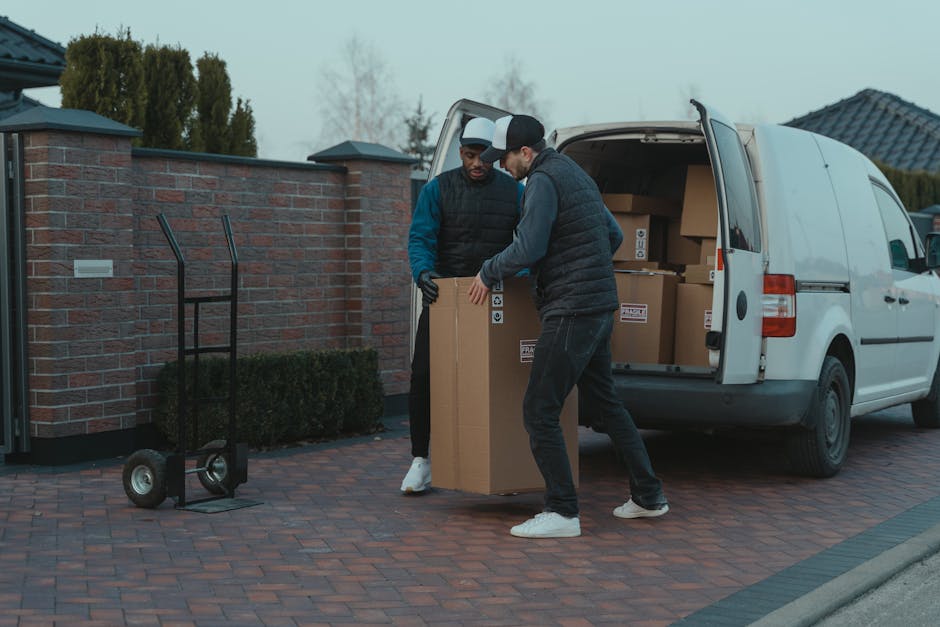
Common Mistakes to Avoid
Most moving problems on tight-access jobs are avoidable. Usually. Not always, but usually.
- Assuming the van can stop right outside. This is probably the biggest planning error.
- Not measuring bulky furniture. "It should fit" is not a measurement.
- Packing too late. Rushed packing leads to damage and delays, simple as that.
- Forgetting about stairs, lifts, or corridor bends. A flat on paper can still be awkward in reality.
- Choosing a vehicle that is too large. Bigger is not always better on urban roads.
- Underestimating the time for loading and unloading. Tight access adds minutes, then more minutes, and then somehow the day is gone.
- Not mentioning access issues in the quote request. A good estimate depends on the actual site conditions.
One more thing: don't keep saying, "It'll be fine on the day." That sentence has a habit of ageing badly.
Tools, Resources and Recommendations
You do not need a warehouse of gear for a tight-access move, but a few practical tools help a lot. Good movers usually have the essentials, and if you are self-prepping, these are worth having on hand:
- packing tape and a reliable dispenser
- clear labels or marker pens
- blankets or furniture wraps
- ratchet straps or tie-downs for secure transport
- work gloves with a good grip
- trolley or sack truck for heavier items where space allows
- door wedges or a helper to manage doors in shared entrances
For packing support, the pages on packing and boxes Brixton and packaging and boxes are helpful if you want to reduce last-minute chaos. If you need somewhere safe to hold items during a transition, storage Brixton can be a sensible bridge between properties.
And if your move is tied to a local commercial relocation, the more focused office removals Brixton page may be more relevant than a general home move service. Different jobs, different pressure points.
Law, Compliance, Standards, or Best Practice
For a move like this, the main compliance concerns are not complicated, but they should be taken seriously. In the UK, moving teams are expected to operate safely, keep vehicles roadworthy, and handle goods with reasonable care. If a company is arranging the move, it should be clear about its terms, responsibilities, and what happens if something is damaged or delayed.
Best practice usually includes:
- clear pre-move communication about access, parking, and item lists
- reasonable care for property, walls, floors, and shared areas
- safe lifting and carrying methods
- appropriate vehicle loading and load securing
- transparent pricing terms and payment expectations
If you want to understand how a provider sets out these expectations, the pages on terms and conditions, payment and security, and privacy policy are worth a look. They do not replace a proper conversation, of course, but they help you know what standards the company is working to.
It is also sensible to check how a company approaches sustainability and waste reduction, especially if you are clearing items during a move. The recycling and sustainability page gives a useful signal here.
Options, Methods, or Comparison Table
Not every tight-access job needs the same approach. The right choice depends on volume, urgency, furniture size, and how limited the access really is. The table below gives a practical comparison.
| Option | Best for | Strengths | Watch-outs |
|---|---|---|---|
| Man and van | Small to medium moves, flats, student jobs | Flexible, quicker to position, often better for narrow streets | Limited capacity for very large or heavily furnished homes |
| Full removals team | Larger properties or many rooms | More hands, more equipment, better for heavier workloads | Can be less nimble in very tight access areas |
| Same-day compact move | Urgent relocations with a small load | Fast turnaround, useful in last-minute situations | Availability can be tight, and preparation still matters |
| Storage plus move | Staggered moves or renovation gaps | Reduces pressure when dates do not line up neatly | Requires extra organisation and careful item labelling |
In a place like Coldharbour Lane, the compact option often wins because access and timing are the main constraints. That said, if you have a large sofa, bed frame, drawers, and several boxes, there is no prize for making life harder than it needs to be.

Case Study or Real-World Example
A typical example: a one-bedroom flat move with a shared entrance, a tight stairwell, and no easy parking directly outside. The job sounds simple enough until the team arrives and realises the van needs to wait a short distance away while one person manages the door and another carries items down in sequence.
In that sort of situation, a smaller van is usually the better call. The crew loads the heaviest pieces first, keeps walkways clear, and uses blankets to protect corners and furniture legs. The move takes a little longer than an open-access house move, but it stays controlled. No rushed shoulder turns, no noisy scraping on the bannister, no panicked reshuffling in the street.
What made the biggest difference? Prep. The client had measured the sofa, pre-packed the boxes, and cleared the route from the flat to the front door. A simple thing, but it saved real time. Another useful detail was that the move avoided peak traffic pressure, which reduced stress and made the van positioning easier.
That sort of setup is common enough around Brixton and nearby streets. If you want a broader local perspective on the area itself, the articles on what locals say about moving to Brixton and the Brixton real estate guide can help you think about the practical side of living and moving in the neighbourhood. A good move starts with knowing the area a bit.
Practical Checklist
Use this before moving day. It is the sort of list that saves a headache later.
- Confirm the moving date, time, and access instructions.
- Measure large furniture and awkward items.
- Check where the van can safely stop.
- Tell the moving team about stairs, steps, narrow doors, and any lift restrictions.
- Pack fragile items securely and label them clearly.
- Separate essentials you will need first at the new place.
- Clear hallways, landings, and doorways.
- Warn neighbours or building managers if needed.
- Keep keys, payment details, and contact numbers easy to reach.
- Do a final check of cupboards, shelves, and storage spaces before leaving.
Expert summary: for tight access moves, the best results usually come from realistic planning, the right size vehicle, a tidy route, and a team that is used to urban logistics. It is not about brute force. It is about sequencing, patience, and good judgement.
Conclusion
A Coldharbour Lane move can be perfectly manageable when you treat access as the main job, not a side issue. That means checking parking, measuring awkward furniture, keeping the route clear, choosing a van size that suits the street, and working with a crew that understands compact urban moves. Do those things well and the day gets easier almost immediately.
For most people, the smartest approach is simple: keep the load realistic, the instructions clear, and the plan flexible enough to handle a few surprises. Because there will always be one. There always is.
To get help tailored to your property, your timing, and your access conditions, explore the relevant local moving options and choose the level of support that fits the job rather than forcing the job to fit the vehicle.
Get a free quote today and see how much you can save.
And if you are still comparing providers, you can learn more about the team on the about us page or check the testimonials section for a better feel for how the service is experienced in practice. A calm move is a good move, honestly.