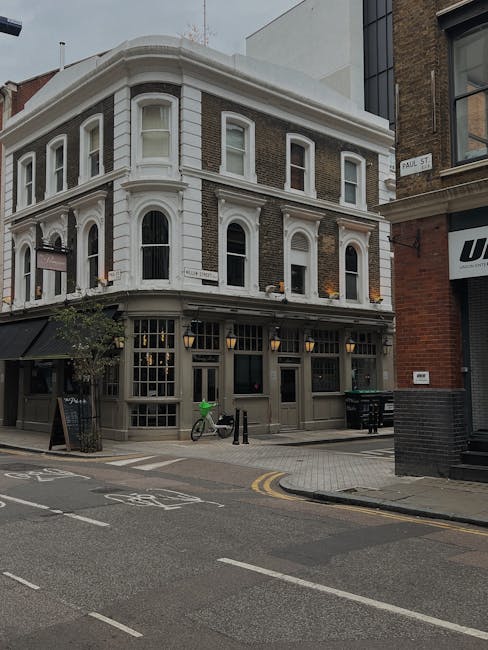
Brixton Market removals guide for Electric Avenue moves
Posted on 03/07/2026

Brixton Market Removals Guide for Electric Avenue Moves
Moving near Brixton Market, especially around Electric Avenue, is one of those jobs that looks simple on a map and then quickly gets more interesting in real life. Tight streets, busy footfall, delivery timing, parking pressure, and the general rhythm of Brixton can turn a straightforward move into a bit of a puzzle. This Brixton Market removals guide for Electric Avenue moves is here to make that puzzle manageable. Whether you are relocating a flat, shifting stock for a small business, or moving a few bulky items in and out of the area, the key is planning with the street itself in mind.
In the sections below, you will find a practical route through the whole process: why the location matters, how removals usually work around Brixton Market, what to prepare, what to avoid, and how to choose the right moving approach. I'll also cover a realistic comparison of options, a checklist you can actually use, and the kind of small details that save time on the day. Let's face it, around Electric Avenue, small details are rarely small.
For broader support across different move types, you may also find our services overview useful, along with the practical advice in flat removals in Brixton and man and van Brixton options if you need a lighter, more flexible setup.
Why Brixton Market Removals Guide for Electric Avenue Moves Matters
Electric Avenue sits in one of Brixton's busiest and most recognisable stretches. That is part of the charm, of course. You get the market energy, the mixed-use character, the steady movement of people, and the constant sense that something is happening. But from a removals point of view, that same energy makes logistics more complicated than a typical residential street.
Why does that matter? Because moving day is already full enough. If you add unclear parking, narrow loading windows, heavy pedestrian flow, or awkward access to a first-floor flat above a shop, the whole day can spiral into delays. A well-planned move keeps stress down and protects your belongings, your neighbours, and your schedule.
In our experience, people often underestimate the impact of street conditions. They focus on boxes and forget the real bottlenecks: where the van can stop, whether there is space to carry furniture safely, how long the walk from the property to the vehicle will be, and whether the route passes through crowded sections of the market. Around Brixton Market, those details are the difference between a smooth move and a long, sweaty afternoon with everyone standing about waiting for the lift that never quite arrived. Not ideal.
There is also a practical money angle. Time lost in access issues can add avoidable cost, especially if you have booked a moving team by the hour or have a tight schedule for key handover. Planning properly is not just neat; it is economical.
How Brixton Market Removals Guide for Electric Avenue Moves Works
The simplest way to think about a move in this part of Brixton is as a sequence of access decisions. Before anyone lifts a box, you need to understand how the property connects to the street, how the street connects to the van, and how the van connects to the rest of your moving plan.
A typical local removals process starts with an assessment of the property type. Is it a compact flat above a shop? A shared home near the market? A small office space? Each one changes the packing, the loading order, and the type of vehicle that makes sense. A job that would be easy with a small van can become awkward with a larger vehicle if the street is busy or stopping time is limited.
Next comes route and timing. Moving early in the day may help avoid the heaviest foot traffic, but it may also clash with household routines, building access rules, or business opening hours. Later moves can be simpler for some customers, but they may also be more exposed to market activity and general local congestion. There is no universal answer, which is exactly why a local approach helps.
If the move involves fragile, awkward, or valuable items, careful handling becomes even more important. That is where specialist help matters. For example, if you are moving a piano or a heavy cabinet, a general load-and-go approach is not enough; you want a service with the right handling methods, and probably the right equipment too. Our dedicated piano removals Brixton page explains how specialist moves are approached more carefully than standard household items.
Some moves also need temporary storage. If the timing between properties does not line up neatly, storage can prevent a rushed or messy transition. That is often overlooked until the final week, when everything suddenly becomes urgent. If that sounds familiar, storage in Brixton can be the sensible pressure-release valve.
Key Benefits and Practical Advantages
A well-planned move around Electric Avenue is not just about avoiding trouble. It also gives you tangible benefits that make the whole experience cleaner, calmer, and more efficient.
- Less downtime: the right timing and route reduce waiting around while the team searches for a workable stopping point.
- Lower risk of damage: shorter carries, safer loading, and fewer rushed lifts help protect furniture and walls.
- Better neighbour relations: a tidy, prompt move is much less likely to annoy shopfronts, residents, or passers-by.
- More predictable costs: fewer surprises means less chance of extra labour time or rescheduling.
- Less personal stress: when the moving plan is clear, you can focus on the essentials instead of firefighting.
There is also a commercial advantage for local businesses. If you are moving stock, fixtures, or office equipment near Brixton Market, a disciplined move helps protect trading continuity. A few hours saved on logistics can mean a smoother reopen, fewer missed orders, and less disruption to customers. For businesses with desks, files, and tech to move, office removals in Brixton is worth considering rather than trying to cobble everything together with an improvised plan.
For home moves, especially smaller properties, the benefits are often even more noticeable. A focused team, the right vehicle size, and a sensible loading plan can make a flat move feel surprisingly straightforward. That is why many people compare options in advance rather than leaving it to the last minute. If you are weighing up approaches, removal services Brixton is a good place to start.
Who This Is For and When It Makes Sense
This guide is for anyone planning a move in or around Electric Avenue, but it is especially relevant if your property or business sits within the daily flow of Brixton Market life. In practical terms, that includes:
- flat owners and tenants moving into or out of upper-floor properties
- landlords coordinating tenant handovers
- small retailers or market-adjacent businesses relocating stock or equipment
- students or sharers with limited time and plenty of awkward furniture
- people with large items that do not fit a standard car or small hatchback
- anyone needing a same-day or short-notice move because plans changed quickly
It makes sense when access is tight, time is limited, or you simply want fewer moving-day surprises. If your move is simple, ground-floor, and outside the busier parts of the day, you may not need a large-scale setup. But if you are navigating stairs, market traffic, or bulky items, a more considered approach is the safer bet.
People often ask whether they should use a van and crew or just hire transport alone. Truth be told, if you have multiple heavy items, difficult access, or a schedule that can't flex, the extra help usually pays for itself in reduced hassle. For smaller relocations, man with a van Brixton can be a practical fit. For compact, nimble moves, removal van Brixton options can also suit the job.
Step-by-Step Guidance
Here is a straightforward way to organise an Electric Avenue move without overcomplicating it.
- Map the access points. Check where the van can reasonably stop, where items will be carried from, and whether stairs, shared entrances, or narrow hallways are involved.
- Sort the load by priority. Pack essentials first, then break the rest into furniture, fragile items, and anything awkward or oversized.
- Measure the awkward bits. Doorways, wardrobes, beds, shelving, and appliances are the usual troublemakers. Measure them before moving day.
- Choose the right service type. Smaller household moves may suit a van-based service, while larger homes or business relocations may need a more structured removal team.
- Plan around market activity. If possible, aim for a time window that avoids the busiest pedestrian periods and shop deliveries.
- Protect the property. Use covers, blankets, and sensible lifting techniques to reduce scrapes on walls, banisters, and door frames.
- Confirm the details the day before. Make sure the address, access notes, contact numbers, and parking assumptions are still valid.
- Build in a little buffer. Because something will always take longer than expected. Usually something tiny. Annoyingly tiny.
If your move includes a lot of boxes and loose household items, packing quality becomes a major factor. Good boxes, sensible labelling, and the right wrap or padding can save a surprising amount of time. See packing and boxes Brixton for a useful starting point, especially if you are trying to avoid the "random box of cables" problem everyone seems to have.
For people moving out of a flat above the bustle of the market, one extra tactic works well: stage your items near the exit in waves rather than trying to move everything at once. It keeps hallways clear and reduces bottlenecks. Small thing, big difference.
Expert Tips for Better Results
Local moves are won or lost in the details. Here are the habits that tend to make the biggest difference.
- Keep the heaviest items closest to the van access point. This reduces carrying distance and speeds up loading.
- Label by room and urgency. A clear label on the box means fewer mistakes at the other end.
- Disassemble furniture early. Beds, tables, and shelving always take longer than people expect when left to the morning of the move.
- Separate essentials in one bag. Documents, chargers, kettle bits, medication, and a change of clothes should not be buried.
- Use soft packing for awkward items. Towels, blankets, and clothing can help cushion items without overfilling boxes.
- Keep one person free to direct flow. If everyone is carrying at once, nobody is coordinating. Chaos with enthusiasm, basically.
One thing people forget: moving around a lively London location is as much about communication as it is about physical lifting. If the property has a concierge, caretaker, landlord, or business neighbour who needs advance notice, tell them early. You will save yourself awkward conversations later, and maybe a few raised eyebrows too.
If your move involves furniture that is genuinely difficult to handle, consider professional help rather than hoping for the best. The right team can handle awkward corners, heavy pieces, and tight stairways more safely. Our furniture removals Brixton page is a good fit for that kind of move.

Common Mistakes to Avoid
There are a few recurring mistakes that show up again and again in market-area moves. The good news? Most of them are easy to prevent.
- Booking a vehicle that is too large. Bigger is not always better in tight streets.
- Ignoring parking and stopping realities. A van is only useful if it can actually load safely and legally.
- Leaving packing too late. Rushed packing leads to breakages and lost items.
- Assuming the same-day schedule will stay relaxed. It rarely does.
- Forgetting the weather. Rain changes everything. Boxes, footsteps, flooring, your patience. All of it.
- Not checking access details with the property. Lift bookings, keys, entry codes, and stair access matter more than people think.
Another common misstep is underestimating how tiring it is to walk back and forth from a building to a van when the loading point is not close. Ten extra trips can feel minor on paper, then suddenly it is 4:30 p.m. and everyone is moving like they are carrying bricks. If you can shorten the carry, do it.
For people who need a quick turnaround, perhaps after a last-minute tenancy change or a delayed completion, a fast-response option may be better than a standard booking. In those cases, same day removals Brixton can be the most realistic solution.
Tools, Resources and Recommendations
You do not need a warehouse of specialist gear to move well, but a handful of practical tools can make a big difference.
- sturdy boxes in mixed sizes
- packing tape and a tape dispenser
- protective wrap or blankets for furniture
- marker pens and labels
- basic tools for dismantling beds and shelves
- gloves for grip and hand protection
- trolleys or straps where appropriate
For many local moves, the real decision is not "which equipment is fanciest?" but "what will stop the move from becoming clumsy?" A good set of boxes, careful labelling, and a van that suits the street matter more than gadgetry.
If you are still deciding between a lighter transport-only option and a broader moving package, it can help to browse the main removals Brixton page and compare it with the more flexible man with van Brixton approach. They serve different needs, and neither is automatically "better." It depends on the volume, access, and how much help you actually want on the day.
For broader background on the area itself, these articles can also help set expectations: should you move to Brixton? Here's what locals say and Brixton real estate guide. If you are still getting to know the neighbourhood, that context is surprisingly useful.
Law, Compliance, Standards, or Best Practice
For a move around Brixton Market and Electric Avenue, the main compliance concerns are usually practical rather than dramatic. You are typically dealing with safe loading, considerate parking or stopping, responsible handling of goods, and respect for building rules or access arrangements. The exact requirements vary depending on the property, the street, and the moving setup.
A few best-practice points are worth keeping in mind:
- Do not block access routes. This matters for pedestrians, residents, and business premises.
- Follow building instructions. If a landlord, concierge, or building manager gives access rules, use them.
- Pack and lift safely. Heavy or awkward items should be handled in a way that reduces injury risk.
- Check insurance and liability terms. You should understand what is covered before moving valuable items.
- Protect shared property. Hallways, lifts, and door frames should be treated carefully, especially in older buildings.
Where possible, use a provider that is clear about safety, insurance, and process. If that matters to you, it is worth reviewing insurance and safety details as part of your decision-making. That is the kind of thing people only think about after a scrape on the wall. Better before, obviously.
There is also a sustainability angle. Unwanted packing materials, old furniture, and surplus household items should be managed responsibly where possible. If reducing waste matters to you, see recycling and sustainability for a practical perspective on handling the leftovers of a move.
Options, Methods, or Comparison Table
Different move types suit different setups. Around Electric Avenue, the right choice usually comes down to space, volume, and access rather than the size of the property alone.
| Option | Best for | Strengths | Possible drawback |
|---|---|---|---|
| Man and van | Small flat moves, a few large items, quick jobs | Flexible, efficient, often easier in tight local streets | May be less suitable for larger loads |
| Removal van with help | Medium-sized household moves | Better loading control and fewer lifting headaches | Needs a sensible loading plan |
| Full removals team | Busy or larger relocations, awkward access, more furniture | Most support, less strain on you | Can be more than you need for a simple job |
| Storage plus staged move | Gap between move-out and move-in dates | Reduces pressure, keeps items secure in the interim | Requires extra planning and timing |
To be fair, there is no universal "best" option. A student moving a few boxes and a mattress will need something very different from a cafe or small office relocating equipment. If you are unsure, start small and ask yourself one honest question: what do I actually need help with?
Case Study or Real-World Example
Here is a realistic example based on the sort of move that happens all the time around Brixton Market.
A couple were moving out of a second-floor flat just off Electric Avenue. They had a sofa, a bed frame, several boxed kitchen items, two shelving units, and a few fragile pieces they were nervous about. On paper, it looked manageable. In practice, the stairwell was narrow, the street was busy, and there was only a short window where the van could stop close enough to keep the carry short.
They avoided the usual headache by doing three things well. First, they packed and labelled everything the week before. Second, they dismantled the bed and shelving the night before rather than waiting until the morning. Third, they booked a vehicle size that fit the street rather than the largest option available. That last part was key. Bigger would have been worse, not better.
The move still took effort, of course. Moves do. But it stayed orderly, and by lunchtime the main items were out, the flat was clear, and they were not stuck juggling boxes while the day drifted away. That is the sort of outcome you want near Brixton Market: steady, not dramatic.
If your own move includes more domestic furniture than you can comfortably handle, house removals Brixton can provide a more structured approach than trying to improvise with a borrowed van and a lot of hope.
Practical Checklist
Use this checklist a day or two before the move. It is simple, but it catches the usual misses.
- Confirm the moving date and arrival window
- Check access, keys, codes, and lift arrangements
- Measure large furniture and awkward items
- Label boxes by room and priority
- Pack an essentials bag for the first night
- Disassemble furniture where needed
- Protect fragile items with proper padding
- Make a note of parking or stopping constraints
- Tell neighbours or building contacts if the move may be disruptive
- Keep phones charged and contact numbers handy
- Set aside documents, valuables, and keys separately
- Walk the route from door to van before loading begins
Quick expert summary: the smoother the access, the faster the move. The safer the packing, the fewer breakages. The clearer the plan, the calmer the day. It really is that straightforward, even if the actual day has its own personality.
Conclusion
Moving near Brixton Market and Electric Avenue is absolutely doable, but it rewards people who plan with the street in mind. Tight access, busy foot traffic, and the general pace of the area all shape what a successful move looks like. If you respect those realities, the process becomes much simpler. If you ignore them, well, you may spend the afternoon wishing you had not.
The core lesson is this: choose the right moving method, pack properly, think about access early, and do not leave the difficult bits until moving morning. A little local awareness goes a long way. That's especially true in Brixton, where the difference between chaos and calm can be one careful decision.
If you are comparing options or want tailored support for your move, take a look at the full range of local help available through services overview, and when you are ready, you can also explore pricing and quotes to plan the next step with confidence.
Get a free quote today and see how much you can save.
And if your moving day feels a bit too full-on, that's normal. Take it step by step. The street will still be there, the boxes will get moved, and the fresh start at the other end will feel worth it.